
About the Collection
The Company
Founded in 1946, in the industrial district of lower Manhattan in New York City, Pilot Plastics created a line of unique hand-carved costume jewelry and artisanal gift items; manufactured from acrylic plastic, a new material at the time. The age-old technique of reverse carving, formerly applied to glass and other non-opaque materials, was then emerging as a home hobby and school craft. Pilot Plastics raised the craft to the level of art.
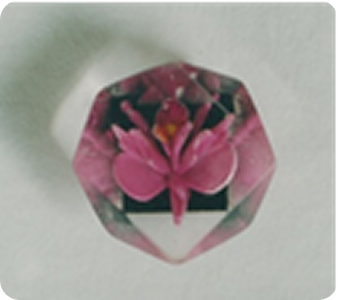
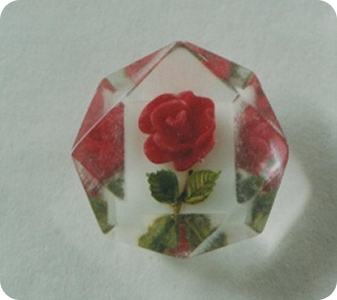
Pilot employed talented artisans to carve these small, intricate pieces using palm-sized electric hand drills with custom designed and homemade drill bits, most as thin as sewing needles. These ‘blanks’ were then hand painted, the void filled with Plaster of Paris, a thin back plate was affixed to most items, and the piece was shaped and polished to final luster.
Every operation was done by hand, and this unique line of jewelry and accessories were produced until the last of the carvers retired and the company moved into advertising display and design. This was a craft that Pilot elevated to an art, one that was not practiced on this scale by any other company, neither then, in the 1940s and 50s, nor in the decades since this collection was produced
A Bit About Reverse Carving
Often called reverse intaglio or back-carving, reverse carvings where intricate 3D designs carved into the back of a clear material, so they are visible from the front. The craft evolved from ancient gemstone (quartz, onyx or crystal) and glass carving techniques to a popular mid-20th-century application using modern plastics. This technique shares a conceptual history with reverse glass painting which dates to the 16th century. Both require the artist to work “backwards,” applying details first and background layers last.
With the invention of acrylic resins in the 1930s, a cheaper, more durable alternative to glass and stone became available to artisans. During the 1940s and 50s, reverse-carving in clear acrylics became a fashion trend, particularly for costume jewellery and accessories.
Initially, high-speed dental drills were the gold standard for this art form. Their ability to reach high speeds allowed for smooth, precise cuts without melting the plastic, which is a common issue with slower drills.
After carving, the hollowed-out “negative space” was often filled with coloured powders, acrylic paint or dyes to create contrast and make the intricate details (like flower petals or feathers) stand out, to create and enhance the 3D image. The remaining cavity was filled with resins or Plaster of Paris, completing the 3D effect when viewed from the smooth front.
A final background coat was applied or a thin backing of opaque material attached to protect the carved work and provide a background and contrast to the viewed image. The piece was then shaped and bevelled, sanded and polished into its final crystalline form.
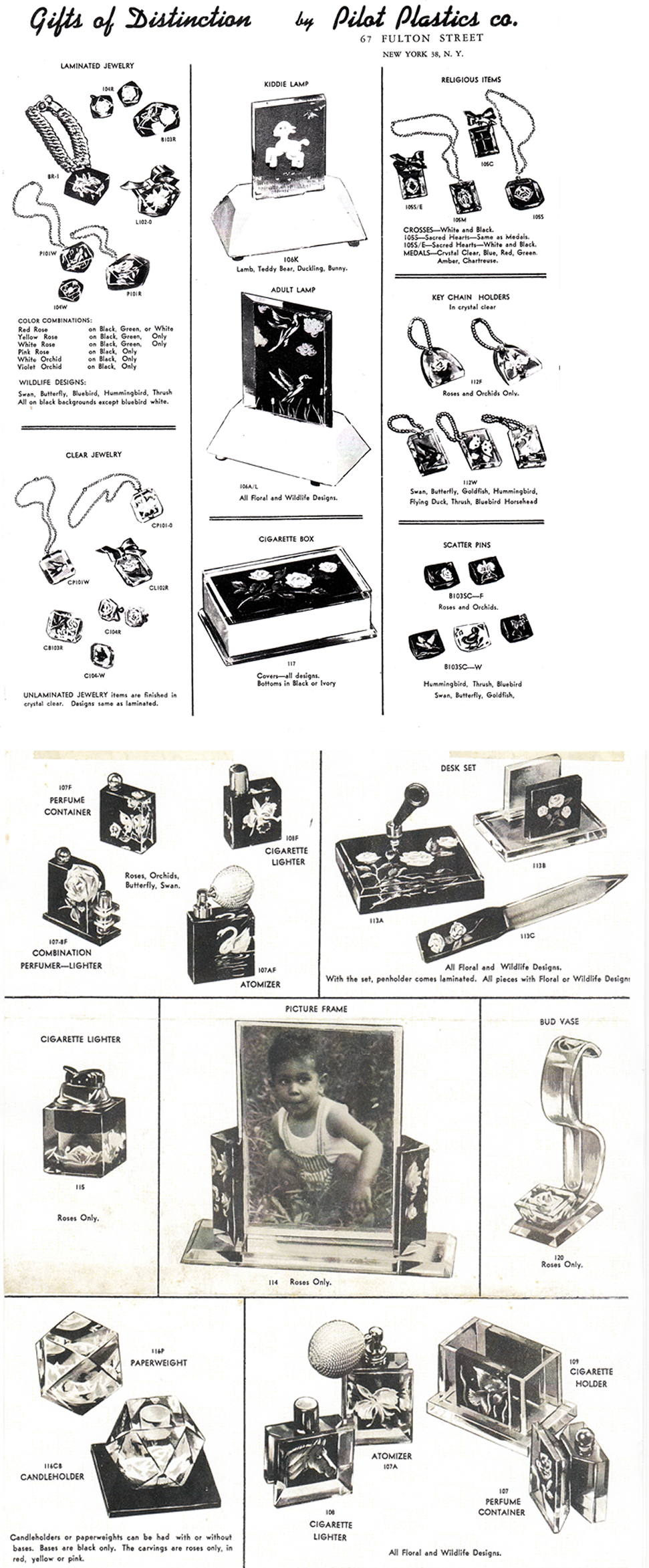
The full inventory was thus produced in a small factory in New York City from 1946 through the mid-1950s. Below is a 1947 advertising brochure of the full line if items produced by the company at that time.